


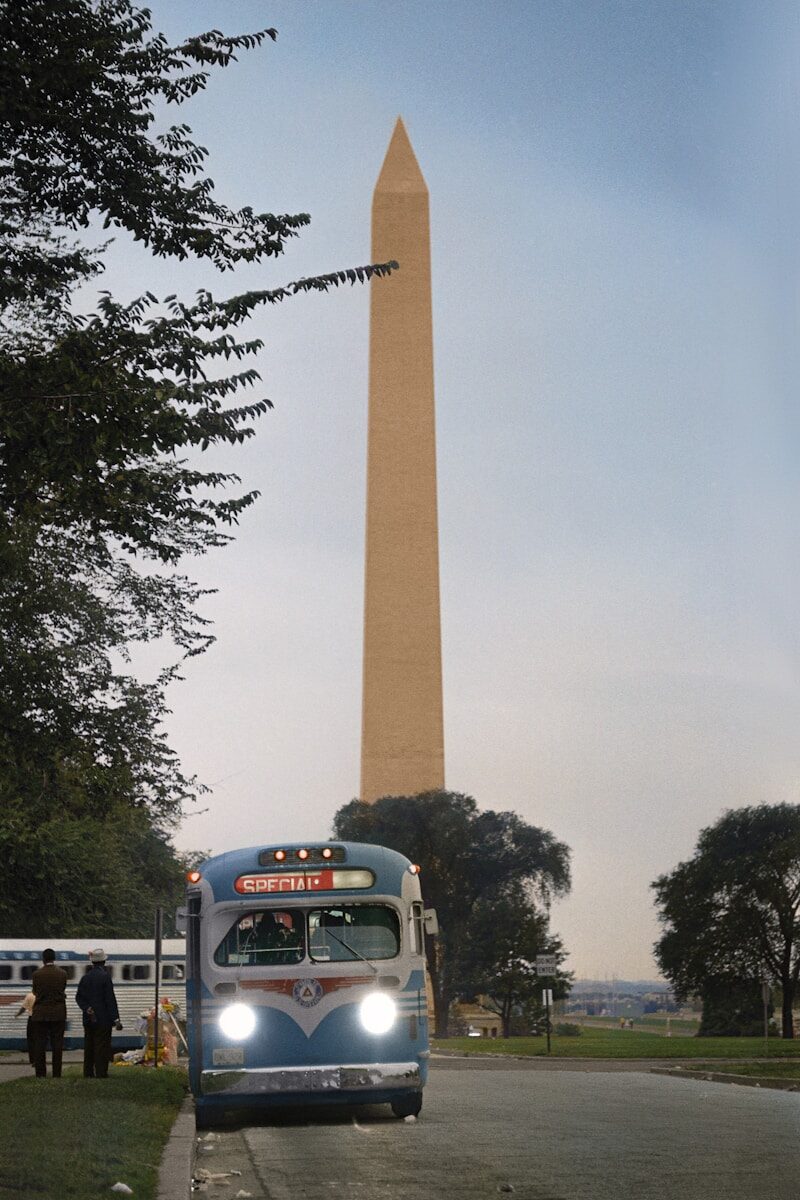
The United States is vast, diverse, and packed with iconic landmarks, hidden gems, and unforgettable experiences. But exploring it doesn’t have to drain your wallet. With smart planning, budget-friendly hacks, and insider tips, you can enjoy a full American adventure without overspending.
Whether you’re dreaming of a West Coast road trip, a deep dive into Southern culture, or a historic East Coast journey, 2026 offers plenty of opportunities to travel smart. Let’s break down exactly how to do it.
Table of Contents
Toggle1. Plan Your Route Strategically
The biggest expense in U.S. travel is often getting from place to place. By planning a logical route, you avoid backtracking and unnecessary miles.
Focus on regions instead of trying to see everything at once. Here are three classic budget‑friendly routes:
-
West Coast: Seattle → Portland → San Francisco → Los Angeles (with possible detours to the Redwoods or Yosemite)
-
East Coast: Boston → New York → Philadelphia → Washington D.C. (all connected by affordable buses or trains)
-
The South: Atlanta → Nashville → New Orleans → Miami (great for music, food, and warm weather)
Use mapping apps to calculate distances, fuel costs, and driving times. Grouping destinations by region also helps you find cheaper multi‑day rental deals or discounted bus passes.
2. Travel During Off‑Peak Seasons
Timing is everything when you’re on a budget. Peak tourist months—June through August and the winter holiday weeks—drive up prices for flights, hotels, and even rental cars.
Best times to visit on a budget:
-
Spring (March to May): Pleasant weather, blooming landscapes, and fewer crowds in most national parks.
-
Fall (September to November): Crisp air, stunning foliage in New England, and lower accommodation rates after Labor Day.
During off‑peak seasons, flights can be 30–50% cheaper, and you’ll find hotel rooms for half the summer price. Even popular attractions like the Grand Canyon or Disney World are more manageable (and sometimes offer reduced entry fees).
3. Use Budget‑Friendly Transportation
You don’t need to rent a luxury SUV or fly first class to see the country. Here are your best low‑cost options:
Flights: Budget airlines like Spirit, Frontier, and Southwest offer domestic flights at a fraction of legacy carriers’ prices. Just watch for baggage fees—pack light to avoid extras.
Buses: Greyhound, Megabus, and FlixBus connect hundreds of cities. Megabus sometimes offers fares as low as $1 if you book early. Buses are slower but cheaper than trains.
Trains: Amtrak is more expensive than buses, but it shines on scenic routes like the California Zephyr (Chicago to San Francisco). Look for discounts for students, seniors, and early bookings.
Car Rentals: For road trips, a fuel‑efficient compact car is your best bet. Split costs with travel companions—two to four people can make a rental very affordable. Use comparison sites and pick up from off‑airport locations to save.
4. Stay Smart with Accommodations
Lodging can eat up your budget fast, but you have many options beyond expensive hotels.
-
Hostels: Not just for backpackers. Major cities like New York, Los Angeles, and Chicago have clean, safe hostels with dorm beds for $30–50 per night. Some offer private rooms too.
-
Motels: Older motels along highways are often very cheap, especially in rural areas. Read recent reviews before booking.
-
Airbnb & Vacation Rentals: Splitting a house or apartment with friends can cost less per person than a hotel. Look for “entire place” listings outside tourist cores.
-
Camping: National parks, state parks, and private campgrounds offer sites for $10–30 per night. If you have (or rent) basic camping gear, this is the ultimate budget travel.
-
Couchsurfing: Stay with locals for free. It’s not just about saving money—you’ll get insider tips and sometimes home‑cooked meals.
5. Eat on a Budget
Food is a huge part of travel, but restaurant meals three times a day will kill your budget. Here’s how to eat well without overspending.
-
Food Trucks & Local Diners: These often serve the most authentic and affordable local cuisine. A loaded taco truck lunch or a classic diner breakfast is both delicious and cheap.
-
Grocery Stores: Stock up on snacks, yogurt, bread, peanut butter, and fruit for picnic lunches. Many grocery stores also have prepared foods for a fraction of restaurant prices.
-
Happy Hours & Daily Deals: Bars and restaurants offer discounted appetizers and drinks from 4–6 PM. Search online for “happy hour [city name]” before you go.
-
Avoid tourist traps: A restaurant right next to a major landmark will be overpriced. Walk two blocks away for better prices and often better food.
6. Explore Free & Low‑Cost Attractions
The USA has thousands of incredible experiences that cost little or nothing.
-
National Parks: A week‑long pass to a single park is around $20–35. Or buy an America the Beautiful annual pass for $80—unlimited entry to all national parks and federal recreation lands for a full year.
-
City Walking Tours: Many cities offer free or tip‑based walking tours led by local guides. You set the price based on what you can afford.
-
Museums: Many museums have free admission days once a month. The Smithsonian museums in Washington D.C. are always free. University art museums are often free too.
-
Beaches, Hiking Trails, and Parks: Nature doesn’t charge admission. From California’s coast to the Appalachian Trail, you can spend days exploring without spending a dime.
7. Use Travel Apps & Rewards Programs
Your smartphone is a powerful money‑saving tool. Download these before you go:
-
Hopper: Predicts flight prices and tells you when to book.
-
GasBuddy: Finds the cheapest fuel along your route.
-
Hostelworld & Booking.com: Compare budget accommodations.
-
Rome2rio: Shows all travel options between two points with estimated costs.
Don’t ignore rewards: If you have a credit card with travel points or airline miles, now is the time to use them. Even small sign‑up bonuses can cover a domestic flight or two nights in a hotel.
8. Travel Slowly & Locally
The fastest way to blow your budget is to rush. Every time you change cities, you pay for transport, potentially baggage fees, and new accommodations.
Instead, spend more days in fewer places. Instead of seven cities in 10 days, try three cities in 10 days. You’ll save on transport and actually get to know each destination.
Use local public transport: Buses and subways are almost always cheaper than Uber or Lyft. Many cities sell day passes for unlimited rides.
Find free local events: Check community calendars for free concerts, farmers’ markets, festivals, and outdoor movies. These are often the highlights of a trip.
9. Budget Daily Expenses
It’s easy to lose track of small purchases. A coffee here, a souvenir there—it adds up.
-
Use a budget app: Trail Wallet, Mint, or even a simple notes page. Record every expense.
-
Set a daily limit: For example, $60 per day for food, transport, and activities. If you underspend one day, you have extra for a splurge later.
-
Keep a buffer fund: Set aside $200–300 for emergencies like a missed bus or unexpected medical need.
Knowing where your money goes also helps you plan your next trip more accurately.
10. Insider Tips for 2026 Budget Travelers
These extra hacks can save you even more:
-
Group travel: Traveling with one or two friends cuts costs on rental cars, Airbnb stays, and even gas. Just make sure you agree on a budget beforehand.
-
Student & senior discounts: Always ask. Many museums, train lines, and even some airlines offer 10–20% off with a valid student ID or proof of age (62+).
-
Avoid tourist traps: The “World’s Biggest Ball of Twine” might be fun, but the gift shop will overcharge. Do your research on which overrated attractions to skip.
-
Pack smart: Budget airlines charge hefty fees for checked bags. Fit everything into a carry‑on and personal item. Bring layers—weather in the USA can change dramatically across regions.
Sample 10‑Day Budget Road Trip: Southwest Loop
To give you an idea, here’s a realistic budget itinerary for spring 2026:
-
Day 1-2: Las Vegas, Nevada (cheap hotels off‑strip, free shows on Fremont Street)
-
Day 3-4: Grand Canyon National Park (camp at Mather Campground, $20/night)
-
Day 5-6: Sedona, Arizona (free hiking trails, cheap motels in nearby Cottonwood)
-
Day 7-8: Phoenix/Scottsdale (hostel or split Airbnb, free desert botanical garden walks)
-
Day 9-10: Drive back to Las Vegas via Route 66 (cheap diner meals, free roadside attractions)
Estimated per‑person cost (sharing car and lodging with two people): $650–850 for 10 days, not including flights.
Key Takeaways
-
Plan your route strategically to minimize long drives and backtracking.
-
Travel off‑peak (spring or fall) for the best deals.
-
Use budget transport – buses, budget airlines, or shared car rentals.
-
Stay in hostels, motels, or campgrounds – and consider Couchsurfing.
-
Eat smart – food trucks, grocery stores, and happy hours.
-
Enjoy free attractions – national parks (with annual pass), walking tours, beaches, and hiking.
-
Track every dollar with a budget app and set daily limits.
Final Thoughts
Traveling across the USA on a budget in 2026 is absolutely possible. It takes a little more planning and a willingness to trade luxury for adventure, but the rewards are immense. You’ll see the real America—not just the postcard views, but the quirky diners, the friendly locals, and the stunning landscapes that don’t cost a cent to enjoy.
Start planning now, book early for the best rates, and get ready for an unforgettable journey. The open road is waiting.
Related Posts
Uncategorized- 10 AI Video Generators That Will Make You a Viral Creator Overnight →
- Credit Card Secrets in the USA You Didn’t Know 💳🇺🇸 →
- USA Credit Card System Explained for Beginners 💳🇺🇸 →
- Credit Score in the USA: Why It Matters So Much (And How to Build It Fast) →
- 🇺🇸 USA Job Market 2026 – Full Research Breakdown (No Hype, Just Reality) →
