


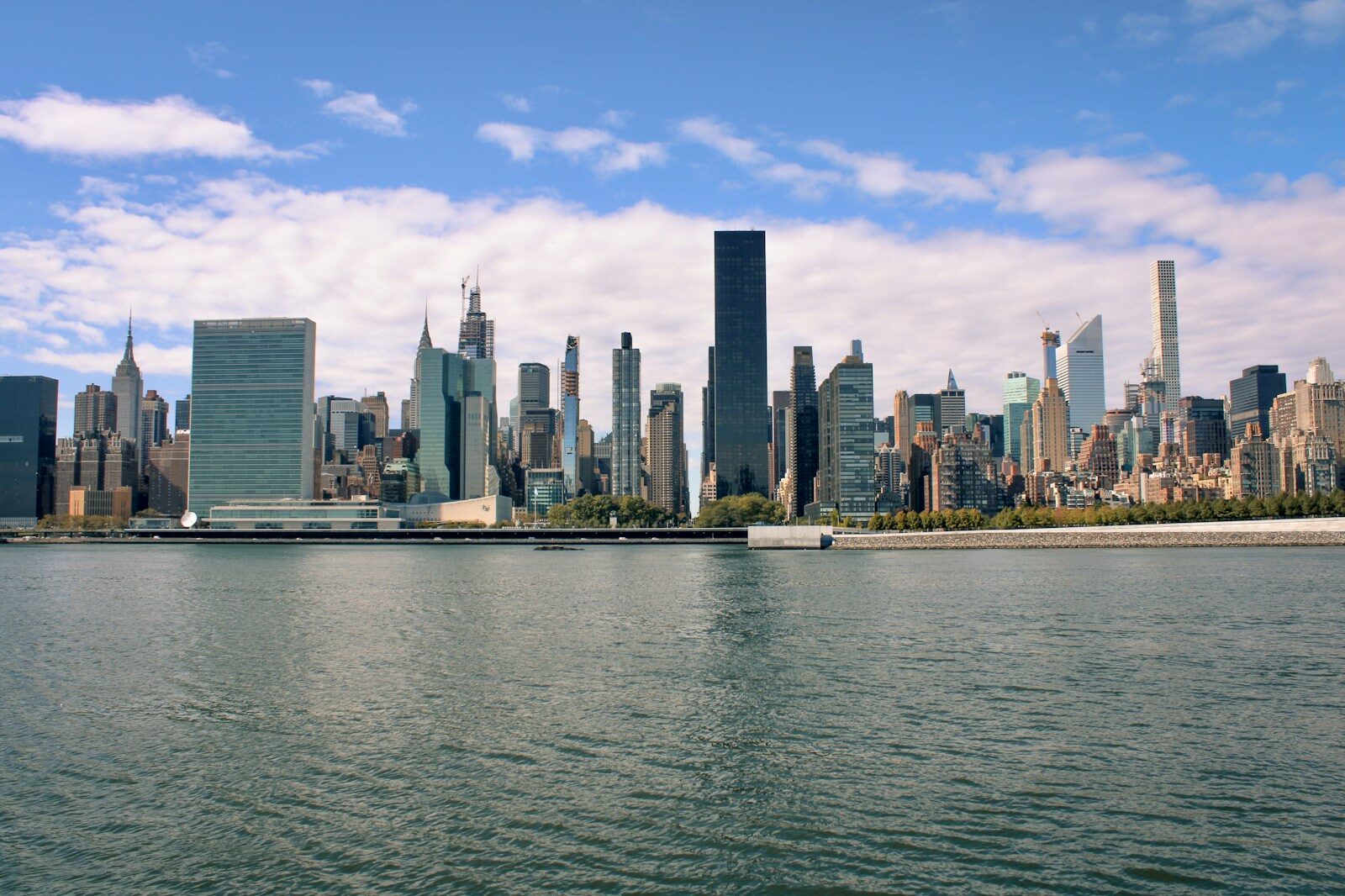
I still remember the first time I seriously thought about life in the U.S. It looked perfect from the outside — big houses, clean roads, career opportunities, that whole “American Dream” vibe. You see it in movies, Instagram reels, YouTube vlogs… everything feels smooth and sorted.
But then you start talking to real people who’ve lived there. And slowly, the picture changes. Not completely — but enough to make you pause.
Because along with opportunities, there’s something else too: culture shock, subtle stigma, and yes… sometimes even racism.
Let me explain this the way I’d tell a friend.
🌍 The First Hit: Culture Shock is Real
The moment you land in the U.S., the first thing you notice is independence. Like, extreme independence.
No one really cares what you’re doing.
Sounds cool, right? It is… but also a bit unsettling at first.
In India, life is very interconnected. Family, neighbors, relatives — sab involved hote hain. Even if it gets annoying sometimes, there’s comfort in it.
But in the U.S.? People mind their own business. You could live next to someone for months and not even know their name.
I remember hearing a story from a student who moved there. He said,
“Bhai, first week mein laga freedom mil gaya… second week mein laga thoda akela ho gaya.”
And honestly, that line stayed with me.
🗣️ Communication Gap — More Than Just Language
Now you might think, “English toh aati hai, problem kya hai?”
But it’s not that simple.
Accent, slang, tone — everything is different. Sometimes even simple conversations feel awkward.
Like imagine this: You say something normal, and the other person doesn’t react the way you expected. Not rude, just… different.
In India, we’re used to warmth in conversations. In the U.S., things are more direct. Less emotional, more practical.
It’s not wrong. Just… different.
And adjusting to that takes time.
🧠 The Invisible Layer: Stigma
This one is subtle. You won’t always notice it immediately.
But it’s there.
For example, many Indians in the U.S. feel pressure to constantly “prove” themselves. To be better, smarter, more successful.
Almost like you’re representing your entire country.
I’ve heard people say they hesitate before speaking in meetings because they’re worried about their accent. Or they avoid certain social situations because they don’t want to feel out of place.
And then there’s this quiet expectation — you’re supposed to fit in, but not too much. Stay “different,” but not too different.
It’s a strange balance.
🎭 Racism: Not Always Loud, But Still There
Let’s talk about the uncomfortable part.
When we hear the word racism, we often imagine extreme situations — shouting, violence, clear discrimination.
And yes, those things do happen. But that’s not the whole story.
A lot of racism in the U.S. today is subtle. Almost invisible.
It shows up in small ways:
Someone assuming you’re “not from here” even if you’ve lived there for years
People mispronouncing your name repeatedly without trying to correct it
Getting fewer opportunities compared to someone equally qualified
Nothing dramatic. But over time, it adds up.
I remember reading about an Indian professional who said,
“No one said anything directly, but I could feel the difference in how I was treated.”
That line hits hard, doesn’t it?
🧑🤝🧑 Not All Negative — There’s Another Side Too
Now I don’t want to paint a completely negative picture.
Because that wouldn’t be fair.
The U.S. is also one of the most diverse countries in the world. You’ll find people from every culture, every background.
There are communities where Indians feel completely at home — festivals, food, language, everything.
And many Americans are genuinely welcoming, curious, and respectful.
In fact, a lot of people go out of their way to make you feel included.
So it’s not black and white. It’s a mix.
🍛 Small Things You Start Missing
This might sound funny, but it’s true.
After a while, it’s the small things that hit you the most:
Street food
Random chai breaks
Festivals with full family chaos
Even traffic noise sometimes
Life in the U.S. is more structured. More predictable.
And sometimes… a little too quiet.
💭 My Honest Thoughts
If I imagine myself living there, I think the biggest challenge wouldn’t be work or studies.
It would be emotional adjustment.
Getting used to a different way of life. Different people. Different expectations.
And dealing with moments where you feel like you don’t fully belong — even if no one says it out loud.
But at the same time, I also feel it can make you stronger. More independent. More aware of the world.
🌎 Final Take
Culture shock, stigma, and racism in the U.S. — they’re real. But they’re not the whole story.
It’s a country of contrasts.
Opportunity and isolation. Freedom and uncertainty. Acceptance and occasional bias.
And maybe that’s the truth most people don’t talk about.
If you’re planning to go there, don’t just prepare your documents.
Prepare your mindset.
Because adjusting to a new culture isn’t just about learning new habits…
it’s about understanding yourself in a completely new environment.
